
Mexico Alive: The Thirteen Intangible Cultural Heritage Sites of UNESCO, Part II

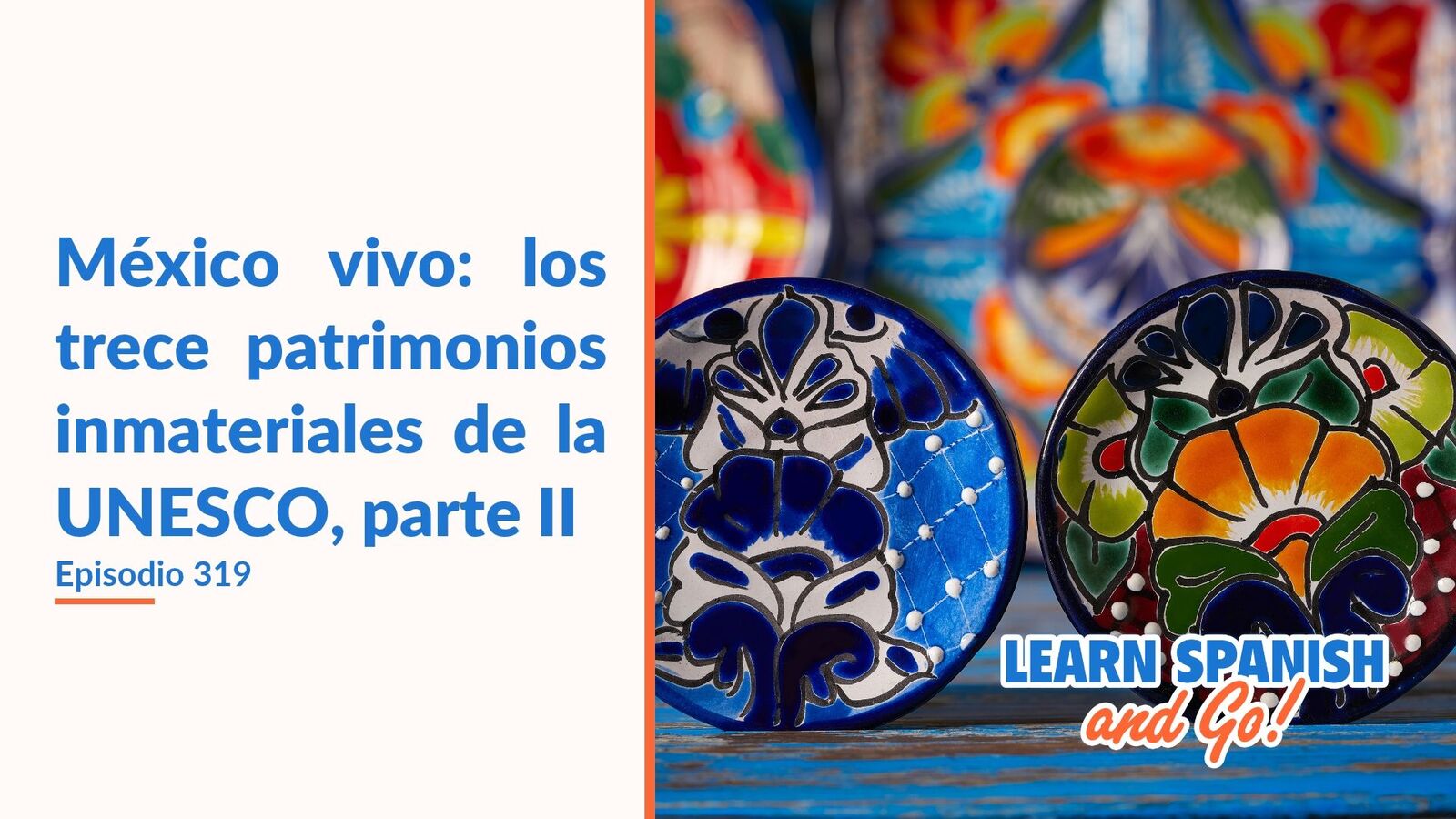
In the second part of our series about Mexico’s UNESCO Intangible Cultural Heritage, we dive deeper into some of the country’s most fascinating traditions and cultural expressions. We talk about the Totonac Indigenous Arts Center in Veracruz, the world of charros and charrería, the famous Talavera pottery of Puebla, romantic bolero music, and massive community celebrations like the Romería of the Virgin of Zapopan and the Passion of Christ reenactment in Iztapalapa. Along the way, we share personal stories, cultural observations, and the things that surprised us most while learning about these traditions, helping you better understand the diversity and richness of Mexican culture.
Key Takeaways:
- Learn about several of Mexico’s UNESCO-recognized intangible cultural traditions and why they are culturally important.
- Discover how traditions like charrería, Talavera, and bolero music continue to be preserved and passed down through generations.
- Explore how religion, community, music, craftsmanship, and indigenous knowledge all play an important role in Mexican identity.
Links And Additional Resources:
- 318 – México Vivo: Los Trece Patrimonios Inmateriales de la UNESCO Parte I | Mexico Alive: The Thirteen Intangible Cultural Heritage Sites of UNESCO, Part I
- 317 – ¿Qué es la UNESCO y Por qué Importa Cuando Viajamos? | What is UNESCO and Why Does it Matter When We Travel?
- Keep learning with La Escala
Turn each episode into Spanish practice with La Escala, our online learning community.- Follow along with interactive transcripts, explore breakdown audios in English, and test your understanding with quizzes.
- Stay consistent with weekly challenges and connect with other Spanish learners.
- For live conversation clubs and guided grammar practice, explore our Frequent Flyer and First Class plans.