

029 – Calaveritas de Azúcar: Origen y Tradición | Sugar Skulls: Origin and Tradition

One symbol you can see a lot in Mexico around this time of year is the skull. But death is not the only meaning behind it.
In Mexico, one of the biggest holidays is Día de Muertos. People celebrate the lives of their ancestors and decorate with these elaborate sugar skulls, or calaveritas de azúcar.
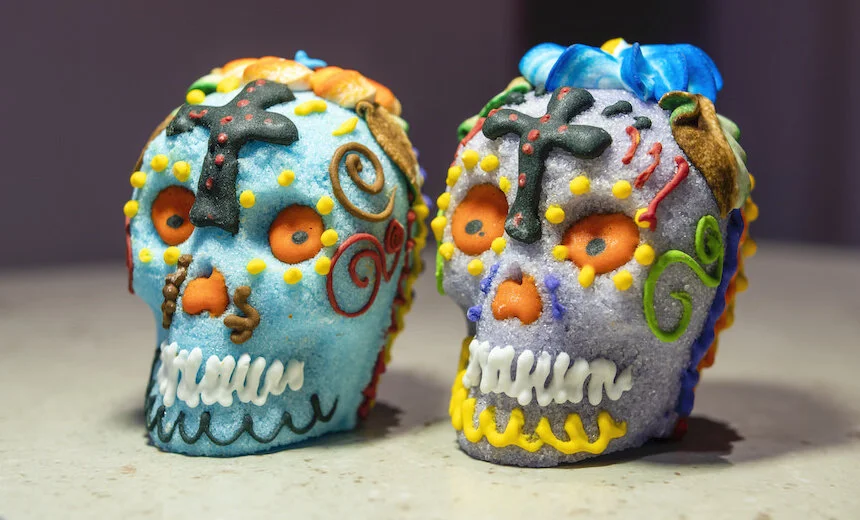
Death is as natural as life is within Mexican culture. And there was a very common theme of death found in Mesoamerican societies. People, especially warriors, would wear talismans made from body parts, many times to adorn their ceremonial garb or for rituals.
When the Spanish arrived, these same ideals did not assimilate well with Catholicism, and so, many Mesoamerican traditions were forced away.
The commemoration of ancestors was a common tradition, and the original altar used for this reason was called a “tzompantli.” It was a structure adorned with real skulls.
This has transformed into the widespread use of sugar skulls! Jim and May break it all down for you in this week’s episode.
Links:
- Episode 28 – Día de Muertos
- Day of the Dead Video
- Mexico City’s Historic District: Centro Histórico
- The Origins and Use of Sugar Skulls in Mexico
- Keep learning with La Escala
Turn each episode into Spanish practice with La Escala, our online learning community.- Follow along with interactive transcripts, explore breakdown audios in English, and test your understanding with quizzes.
- Stay consistent with weekly challenges and connect with other Spanish learners.
- For live conversation clubs and guided grammar practice, explore our Frequent Flyer and First Class plans.